Cult Recovery & Healing Resources
Leaving a high-control group like Jehovah's Witnesses can be one of the most disorienting and painful experiences a person endures. The loss of community, identity, family relationships, and an entire worldview often leaves former members struggling with grief, anxiety, depression, and complex trauma. Fortunately, a growing body of literature addresses cult dynamics, religious trauma, and the recovery process. The resources below have helped thousands of former members understand what happened to them and begin rebuilding their lives.
Understanding Cult Dynamics & Mind Control
Combating Cult Mind Control (1988, updated 2018)
Author: Steven HassanThe foundational text on understanding cult mind control techniques. Hassan, a former member of the Unification Church, introduces the BITE model (Behavior, Information, Thought, and Emotional control), which has become the standard framework for identifying high-control groups. This book is essential reading for anyone trying to understand how organizations like the Watchtower Society exert psychological control over their members.
Freedom of Mind (2012, updated 2022)
Author: Steven HassanHassan's follow-up to Combating Cult Mind Control introduces the Strategic Interactive Approach (SIA), a method for helping loved ones who are still trapped in high-control groups. Rather than confrontational interventions, SIA focuses on building rapport and encouraging critical thinking. Particularly valuable for family members trying to reach active Jehovah's Witnesses.
The Subtle Power of Spiritual Abuse (1991, updated 2005)
Author: David Johnson & Jeff VanVonderenThis book examines how religious authority can be misused to control and manipulate believers. Johnson and VanVonderen identify patterns of spiritual abuse including performance-based acceptance, unbalanced authority structures, and the weaponization of shame. Former Jehovah's Witnesses will recognize many of these dynamics in their own experience with congregation elders and organizational leadership.
Thought Reform and the Psychology of Totalism (1961)
Author: Robert Jay LiftonThe classic academic study of thought reform (commonly called "brainwashing"), based on Lifton's research with former prisoners of Chinese re-education programs. Lifton identifies eight criteria of thought reform, including milieu control, mystical manipulation, and the demand for purity, all of which are observable in the Watchtower organization. This remains one of the most cited works in cult scholarship.
Influence: The Psychology of Persuasion (1984, updated 2021)
Author: Robert CialdiniNot cult-specific, but essential for understanding the persuasion techniques used by high-control groups. Cialdini identifies six key principles of influence: reciprocity, commitment and consistency, social proof, authority, liking, and scarcity. Former Jehovah's Witnesses will recognize how the organization systematically employs these principles in its recruitment and retention strategies.
Terror, Love and Brainwashing (2016)
Author: Alexandra SteinStein, a social psychologist and former member of a political cult, applies attachment theory to explain how totalist groups create trauma bonds with their members. She demonstrates how cults exploit the human need for secure attachment by creating a cycle of fear and comfort that keeps members emotionally dependent on the group. This framework is especially useful for understanding why leaving groups like Jehovah's Witnesses is so psychologically difficult.
Healing & Recovery From High-Control Groups
Burning Down the House: Coping with Toxic Family Dynamics, Estrangement, and Rebuilding Your Life (2024)
Author: Bethany LegerDrawing on her personal experience escaping a cult at thirty years old and nearly a decade of activism centered on cult recovery, Leger challenges the notion that family can act with impunity. When her devout Jehovah's Witness family cut ties as punishment for reclaiming her freedom, she was forced to confront toxic family dynamics head-on. This book helps readers distinguish minor differences from dealbreakers, clarify their values and boundaries, and find the courage to prioritize themselves in the face of habitual toxic behavior from family members or religious institutions. Where the relationship cannot be salvaged, Leger seeks to destigmatize estrangement by asking readers to do the unthinkable — burn it all down, and move on.
Leaving the Fold (2006)
Author: Marlene WinellA comprehensive guide for people recovering from fundamentalist religion. Winell, a psychologist who coined the term "Religious Trauma Syndrome" (RTS), addresses the specific challenges of leaving rigid religious systems, including identity reconstruction, rebuilding a moral framework, dealing with family conflict, and processing grief. The book includes practical exercises and recovery strategies that are directly applicable to former Jehovah's Witnesses.
Recovery from Cults (1995)
Author: Edited by Michael LangoneA comprehensive, multi-author guide published under the auspices of the International Cultic Studies Association (ICSA). Chapters cover the full spectrum of cult recovery, including psychological first aid for recent exiters, family dynamics, therapeutic approaches, and post-cult identity formation. This is one of the most thorough clinical resources available for both former members and the professionals who treat them.
The Body Keeps the Score (2014)
Author: Bessel van der KolkEssential reading on how trauma is stored in the body and how it affects the mind. Van der Kolk, one of the world's leading trauma researchers, explains why traditional talk therapy is often insufficient for trauma recovery and explores body-based therapeutic approaches including EMDR, yoga, and neurofeedback. While not cult-specific, this book is invaluable for former Jehovah's Witnesses dealing with the lasting physical and emotional effects of religious trauma.
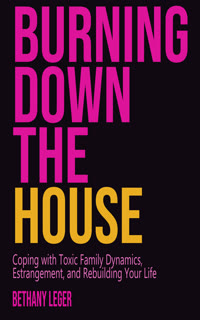
Coping with toxic family dynamics, estrangement, and rebuilding your life. For anyone dealing with the fallout of leaving a high-control group.
View on Amazon →JW-Specific Recovery Resources
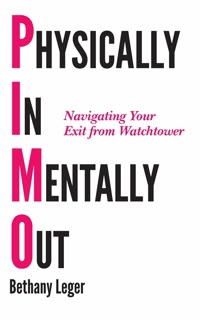
Physically In, Mentally Out: Navigating Your Exit From Watchtower (2020)
Author: Bethany LegerA practical, no-nonsense guide written specifically for PIMOs — those who are Physically In but Mentally Out of the Jehovah's Witness organization. The book explores the unique dilemma of secret non-believers who cannot openly leave without losing their families to the shunning policy. It addresses the growing underground community of PIMOs in the age of social media, and provides questions and exercises to help readers gain clarity and confidence as they navigate the painful process of exiting Watchtower. Essential reading for anyone currently inside the organization who is questioning their involvement.
EXiting the JW Cult: A Healing Handbook (2015, updated 2022)
Author: Bonnie ZiemanWritten by a retired psychotherapist who spent over 30 years as a Jehovah's Witness, this handbook speaks directly to the unique challenges faced by former JWs. Zieman combines her professional expertise with her personal experience to address JW-specific issues including the trauma of shunning, the loss of conditional friendships, guilt over "leaving Jehovah," and the process of building an authentic identity outside the organization. This is often the first book recommended to newly exited Jehovah's Witnesses.
Shunned: A Survival Guide (2018)
Author: Bonnie ZiemanZieman's follow-up specifically addresses the devastating practice of shunning, which the Watchtower organization enforces through its disfellowshipping policy. The book explores the psychological impact of being cut off from family and lifelong friends, offers coping strategies for managing the grief and rejection, and provides guidance for building new support networks. Essential reading for anyone dealing with the ongoing pain of being shunned by Jehovah's Witness family members.
Finding a Therapist
Not all therapists understand religious trauma or the specific dynamics of cult recovery. Many well-meaning counselors may inadvertently minimize the experience ("just move on") or lack the framework to understand how deeply high-control group involvement affects a person's psychology, identity, and relationships. It is important to find a therapist who has experience with religious trauma, spiritual abuse, or cult recovery.
The following resources can help you find an appropriate therapist:
- The Secular Therapy Project — A directory of therapists who use evidence-based, secular approaches to treatment. Particularly helpful for former JWs who want to avoid therapists who might incorporate religious elements into therapy.
- ICSA (International Cultic Studies Association) — Maintains a referral network of mental health professionals who specialize in cult recovery. ICSA also hosts conferences and workshops for former cult members.
- Psychology Today Therapist Finder — Use the search filters to find therapists in your area and look for those who list "religious trauma" or "spiritual abuse" as specialties.
- Bonnie Zieman's website offers resources, articles, and guidance specifically tailored to ex-Jehovah's Witnesses seeking therapeutic support.
See Also
- Books About Jehovah's Witnesses
- Documentaries About Jehovah's Witnesses
- Mental Health & Psychological Impact
- Disfellowshipping & Shunning
- Information Control & Thought Reform
- The ExJW Movement
All links verified as of March 2026. If you or someone you know is in crisis, contact the 988 Suicide and Crisis Lifeline (call or text 988 in the US) or your local emergency services.