Books About Jehovah's Witnesses
Over the decades, a substantial body of literature has emerged examining Jehovah's Witnesses from the inside out. Former members, scholars, and investigative writers have produced works ranging from deeply personal memoirs to rigorous academic studies. This resource page collects the most significant and widely recommended books about the Watchtower organization — insider exposés, personal accounts of leaving, and scholarly analyses of the movement's history, theology, and social dynamics.
This page focuses on books about the organization itself. For books on cult psychology, recovery, and emotional healing after leaving high-control groups, see Cult Recovery & Healing Resources.
Insider Accounts & Classic Exposés
These are the foundational texts written by former insiders who pull back the curtain on the Watchtower organization's inner workings, doctrinal problems, and leadership culture.
Crisis of Conscience (1983/2004)
Author: Raymond FranzThe single most influential book ever written about Jehovah's Witnesses. Franz, a former member of the Governing Body, provides a firsthand account of the power struggles, doctrinal compromises, and institutional dishonesty at the highest levels of the Watchtower organization. His calm, evidence-based approach is widely credited with helping many Witnesses begin questioning their faith.
In Search of Christian Freedom (1991/2007)
Author: Raymond FranzFranz's follow-up to Crisis of Conscience takes a deeper theological dive, examining Watchtower doctrines against the Bible itself. Where Crisis told the story, this book dismantles the scriptural arguments the organization uses to maintain authority over its members. Essential reading for anyone working through the doctrinal side of leaving.
The Reluctant Apostate (2017)
Author: Lloyd EvansA comprehensive account of Evans' journey from true believer to one of the most prominent ex-JW activists in the world. The book combines personal memoir with a systematic critique of Watchtower policies, particularly the organization's handling of child sexual abuse cases. It serves as both a personal story and a reference work on modern Watchtower controversies.
How to Escape From Jehovah's Witnesses (2018)
Author: Lloyd EvansA practical companion to The Reluctant Apostate, this book is designed as a guide for those actively planning to leave the organization. Evans covers strategies for fading, dealing with judicial committees, and managing family relationships during the exit process.
30 Years a Watchtower Slave (1956)
Author: William J. SchnellOne of the earliest and most dramatic insider accounts, written during the era of Watchtower president Nathan Knorr. Schnell describes the totalitarian atmosphere within Bethel and the field organization during the 1920s through 1950s. While the language reflects its era, the patterns of control he describes remain remarkably recognizable to modern Witnesses.
Captives of a Concept (2005)
Author: Don CameronA focused, concise book built around a single powerful argument: the entire authority structure of Jehovah's Witnesses rests on the claim that Jesus inspected all Christian religions in 1919 and chose the Watchtower Society — a claim that Cameron argues does not hold up under historical scrutiny. Cameron walks readers through the evidence methodically. Often recommended as the best "first book" for a doubting Witness because of its brevity and clarity.
The Gentile Times Reconsidered (1983/2004)
Author: Carl Olof JonssonA thorough scholarly demolition of the Watchtower's 607 BCE chronology, which underpins the entire 1914 doctrine. Jonsson, a former elder, began his research to defend the teaching and concluded it was indefensible. The book assembles overwhelming archaeological, astronomical, and historical evidence that Jerusalem fell in 587/586 BCE, not 607 BCE as the Watchtower claims.
The Sign of the Last Days — When? (1987)
Author: Carl Olof Jonsson & Wolfgang HerbstA companion work to The Gentile Times Reconsidered, this book examines the Watchtower's claim that wars, earthquakes, famines, and pestilences have been increasing since 1914 as a "sign" of the last days. Jonsson and Herbst marshal statistical and historical data to show that these claims do not hold up under scrutiny.
Memoirs & Personal Stories
These books tell the human side of leaving — the emotional toll of shunning, the struggle to build a new identity, and the experience of discovering the world outside the organization.
Visions of Glory (1978)
Author: Barbara Grizzuti HarrisonA beautifully written literary memoir by a former Witness who served at Bethel headquarters as a young woman in the 1950s. Harrison combines personal narrative with cultural criticism, exploring how the religion shaped her understanding of sexuality, authority, and the world. Considered a classic of the ex-JW genre and one of the few to receive mainstream literary recognition.
I'm Perfect, You're Doomed (2009)
Author: Kyria AbrahamsA darkly funny memoir of growing up as a Jehovah's Witness in Rhode Island. Abrahams captures the absurdity of believing the world is about to end while also navigating teenage rebellion, a failed marriage, and her eventual departure from the faith. One of the most entertaining and accessible ex-JW memoirs available.
Leaving the Witness (2019)
Author: Amber ScorahScorah's memoir follows her journey from serving as an underground missionary in mainland China to losing her faith entirely. The book is notable for its exploration of how learning Mandarin and encountering a world outside the Witness bubble gradually eroded her beliefs. Her story took a tragic turn when her infant son died on his first day at daycare, an event she writes about with devastating honesty.
Shunned: How I Lost My Religion and Found Myself (2017)
Author: Linda A. CurtisCurtis tells the story of her life inside the organization and the painful process of being shunned by her family after leaving. The book provides a clear window into how the shunning policy functions as a tool of control and the lasting psychological damage it inflicts on former members and their families.
I Felt the End Before It Came (2023)
Author: Daniel Allen CoxA literary memoir exploring the intersection of growing up as a Jehovah's Witness and coming to terms with being gay. Cox writes about the apocalyptic dread that permeated his childhood, the double life he lived as a queer teenager in the organization, and the long process of untangling religious trauma from his identity. Praised for its prose style and emotional depth.
Fading Out of the JW Cult (2016)
Author: Bonnie ZiemanZieman, a former pioneer who later became a licensed psychotherapist, recounts her decades inside the organization and her gradual "fade" — the process of quietly distancing oneself without triggering a formal disfellowshipping. The book is valuable both as a personal story and as an informed look at the psychological mechanisms of high-control groups.
Awakening of a Jehovah's Witness (2002)
Author: Diane WilsonWilson chronicles her experiences as a devoted Witness who gradually uncovered the organization's history of failed prophecies and doctrinal reversals. Her awakening was driven by research into the Watchtower's own publications, making her story particularly relatable to Witnesses who are beginning to question. The book provides detailed accounts of judicial committee proceedings and the disfellowshipping process.
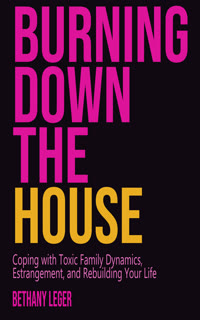
Coping with toxic family dynamics, estrangement, and rebuilding your life. For anyone dealing with the fallout of leaving a high-control group.
View on Amazon →Scholarly & Academic Works
These books approach Jehovah's Witnesses from an academic perspective — sociology, history, and religious studies — providing analytical frameworks for understanding the movement.
Apocalypse Delayed (1985/2015)
Author: M. James PentonThe definitive academic history of Jehovah's Witnesses, written by a former Witness who became a professor of history at the University of Lethbridge. Penton traces the movement from its 19th-century roots through its major crises and transformations. The third edition (2015) brings the story up through recent Governing Body changes and the organization's response to child abuse scandals. Widely cited in scholarly literature on the movement.
The Trumpet of Prophecy (1975)
Author: James A. BeckfordA sociological study examining how the Watchtower organization maintains cohesion and commitment among its members. Beckford, a British sociologist of religion, analyzes the social dynamics of conversion, participation, and dissent within the movement. Though published in 1975, its analysis of organizational control mechanisms remains highly relevant.
The Orwellian World of Jehovah's Witnesses (1984)
Author: Heather Botting & Gary BottingAn examination of the Watchtower Society through the lens of George Orwell's writings on totalitarianism. The Bottings — both former Witnesses and academics — draw parallels between Orwell's fictional dystopias and the information control, thought reform, and language manipulation practiced by the organization. A unique and thought-provoking approach to understanding the Witness experience.
Counting the Days to Armageddon (1996)
Author: Robert CromptonA scholarly analysis of the prophetic chronology that has driven the Jehovah's Witness movement since its founding. Crompton traces how date-setting — 1874, 1914, 1925, 1975 — has functioned as both the primary engine of growth and the recurring source of crisis within the organization. The book provides valuable context for understanding why failed predictions have not destroyed the movement.
See Also
- Documentaries About Jehovah's Witnesses
- Cult Recovery & Healing Resources
- The ExJW Movement
- Raymond Franz & Crisis of Conscience
All links verified as of March 2026. Availability may change. Free downloads are hosted by third-party archives and may be subject to copyright restrictions in some jurisdictions.